In digital marketing, getting visitors to your website is important, but it is not the only thing that matters. Thousands of people may visit a website, but if they don’t take any significant action, the marketing plan might not be producing the desired outcomes. This is where conversion tracking becomes important.
Conversion tracking helps businesses understand what visitors do after they interact with an advertisement, social media post, search engine result, or website. It allows marketers to measure valuable actions and understand which marketing activities are actually helping the business grow.
What Is Conversion Tracking?
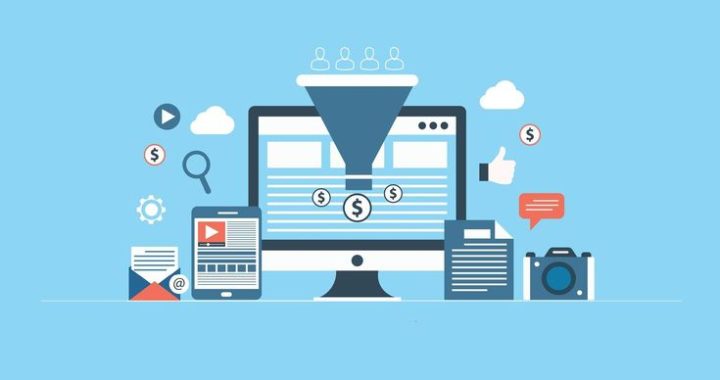
Conversion tracking is the process of measuring specific actions that users take after interacting with your marketing campaigns. These actions are called conversions. Anything that is beneficial to the business you represent can be a conversion.
For an online store, a conversion could be a completed purchase. For a service-based business, it could be a form submission, phone call, WhatsApp message, or appointment booking. For a digital marketing agency, a conversion might be a potential client filling out a contact form or requesting a free consultation.
By tracking these actions, businesses can move beyond simple numbers such as impressions, clicks, and website visitors. Rather, they can determine whether their marketing initiatives are yielding tangible economic outcomes.
Why Is Conversion Tracking Important?
Without conversion tracking, it can be difficult to know whether your marketing campaigns are working. You may know that an advertisement received many clicks, but you may not know how many people actually became customers.
Conversion tracking gives you a clearer picture of campaign performance. It helps you identify which advertisements, keywords, platforms, and campaigns are generating valuable results.
For example, imagine that a business is running Google Ads and receives 500 clicks. If conversion tracking shows that only 5 people contacted the business, the company can investigate why the campaign is not producing enough leads. On the other hand, if another campaign generates 50 leads from a similar number of clicks, the business knows where its marketing budget may be better spent.
What Can You Track as a Conversion?
The conversions you track should depend on your business goals. Common conversions include online purchases, contact form submissions, phone calls, newsletter sign-ups, account registrations, appointment bookings, downloads, and requests for quotations.
For a digital marketing agency, tracking lead forms, consultation requests, phone calls, WhatsApp inquiries, and service-page interactions can provide valuable information. These actions can help the agency understand how effectively its website and advertising campaigns are generating potential clients.
Not every website visitor will become a customer immediately. Some people may visit the website to learn more about a service and return later. That is why tracking different stages of the customer journey can also be useful.
How Does Conversion Tracking Work?
Conversion tracking usually works by using tracking codes, tags, pixels, or analytics tools. When a visitor completes a desired action, the tracking system records the conversion.
For example, if someone clicks a Google Ad and fills out a contact form, a tracking tag can record that action as a conversion. Marketers can then see information about the campaign that generated the lead.
Tools such as Google Analytics and Google Ads provide businesses with ways to measure conversions and understand user activity. Proper tracking setup is important because incorrect tracking can lead to inaccurate data and poor marketing decisions.
Conversion Tracking Helps Improve Marketing Decisions
One of the biggest benefits of conversion tracking is that it helps businesses make decisions based on data instead of assumptions.
Suppose a company is spending money on Google Ads, Instagram advertising, and SEO. Without conversion tracking, it may be difficult to determine which channel is generating the most valuable customers. With proper tracking, the company can compare results and understand where leads and sales are coming from.
This information can help businesses improve their campaigns, adjust budgets, test different advertisements, and focus on strategies that deliver better results.
Conversion Tracking and ROI
Return on investment, also known as ROI, is an essential and crucial feature of digital marketing. Businesses want to know whether the money they spend on marketing is generating enough value.
Conversion tracking makes it easier to measure this. When businesses know how many conversions a campaign generates and how much those conversions are worth, they can better understand the effectiveness of their marketing investment.
This is especially important for paid advertising because businesses can spend significant amounts of money on campaigns. Tracking conversions helps ensure that advertising budgets are being used more effectively.
Common Conversion Tracking Mistakes
One common mistake is tracking too few actions. Some businesses only track purchases while ignoring valuable actions such as calls, form submissions, and appointment requests.
Another mistake is setting up tracking incorrectly. If tracking codes are not working properly, the data may be incomplete or inaccurate. Businesses may then make decisions based on misleading information.
It is also important to regularly check conversion tracking. Websites change, landing pages are updated, and advertising platforms introduce new features. Regular testing can help ensure that conversions are still being recorded correctly.
Conclusion
Conversion tracking is an essential part of successful digital marketing. It helps businesses understand what happens after people click an advertisement, visit a website, or interact with online content. Instead of focusing only on traffic and clicks, businesses can measure actions that directly contribute to their goals.
With accurate conversion tracking, businesses can understand their customers better, improve marketing campaigns, manage advertising budgets more effectively, and work toward better ROI. For businesses looking to grow online, tracking the right conversions is not just useful—it is an important part of building a smarter and more successful digital marketing strategy.