In today’s digital world, almost every business needs an online presence to grow. Whether you own a small shop, a startup, or a large company, digital marketing can help you reach more customers and increase sales. However, many people still believe in outdated myths that prevent them from using digital marketing effectively.
These myths often lead businesses to make poor decisions, waste money, or avoid digital marketing altogether. The truth is that digital marketing is constantly evolving, and what worked years ago may not work today.
In this blog, we’ll discuss some of the biggest digital marketing myths you should stop believing and understand the reality behind them.
Myth 1: Only Huge Businesses Should Use Digital Marketing
One of the most common misconceptions is that only large companies benefit from digital marketing.
Reality
Digital marketing is actually more beneficial for small and medium-sized businesses because it allows them to compete with bigger brands without spending huge amounts of money.
For instance, a nearby bakery can use Google Business Profile, Facebook, and Instagram to bring in customers in the area. A small clothing store can run targeted Facebook Ads with a limited budget and still generate sales.
Every company has an equal chance to reach the appropriate audience using digital marketing.
Myth 2: SEO Gives Instant Results
Many business owners think that once they optimize their website, they’ll start ranking on Google within a few days.
Reality
Search Engine Optimization (SEO) is a long-term strategy. It usually takes several months before noticeable improvements appear.
Google considers many factors like: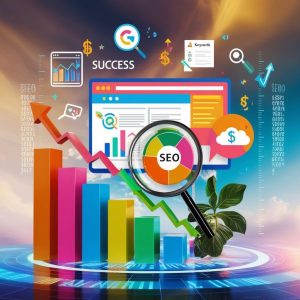
- Website quality
- Useful content
- Backlinks
- User experience
- Website speed
- Mobile friendliness
Businesses that consistently invest in SEO often enjoy long-lasting organic traffic.
Patience and consistency are the keys to successful SEO.
Myth 3: More Website Traffic Means More Sales
Many people focus only on increasing website visitors.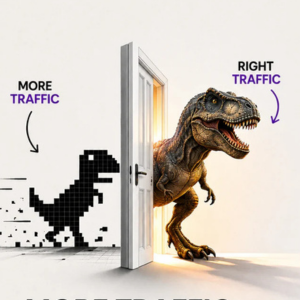
Reality
Traffic alone doesn’t guarantee sales.
Imagine getting 10,000 visitors who are not interested in your products. They will leave your website without buying anything.
Businesses need to be focusing on inviting in the “right audience” instead.
Quality traffic always performs better than high traffic with no interest.
A website with 500 targeted visitors can generate more sales than one with 10,000 random visitors.
Myth 4: Social Media Is Free Marketing
A lot of people think social media doesn’t cost money.
Reality
Social media account formation is free, however effective marketing demands the following: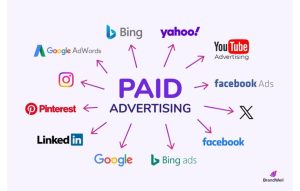
- Content creation
- Graphic design
- Video editing
- Consistent posting
- Community management
- Paid advertising
- Performance analysis
As time goes on, organic reach has dropped on the majority of platforms.
Businesses often need paid advertisements to reach a larger audience effectively.
Myth 5: Email Marketing Is Dead
Some business owners think email marketing no longer works because people use social media.
Reality
Email marketing remains one of the highest ROI (Return on Investment) marketing channels.
Businesses use email to:
- Share offers
- Launch products
- Send newsletters
- Build customer relationships
- Recover abandoned carts
- Encourage repeat purchases
A well-planned email campaign can generate excellent results with a relatively low investment.
Myth 6: Digital Marketing Is Easy
Some people think digital marketing simply means posting on Facebook or Instagram.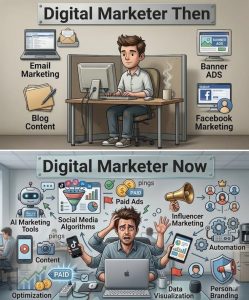
Reality
Digital marketing involves multiple skills, including:
- SEO
- Google Ads
- Social Media Marketing
- Content Marketing
- Email Marketing
- Analytics
- Conversion Optimization
- Website Optimization
Successful campaigns require planning, creativity, data analysis, and continuous improvement.
For better quality results, professional marketers are constantly experimenting with new techniques.
Myth 7: Paid Ads Are a Waste of Money
Some businesses avoid online advertising because they think it’s expens
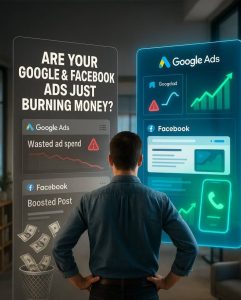
ive.
Reality
Paid advertising can deliver excellent returns when managed correc
tly.
Businesses can target customers via platforms like Google Ads and Meta Ads based on:
- Age
- Location
- Interests
- Behavior
- Device
- Keywords
Instead of showing ads to everyone, businesses can reach people who are already interested in their products or services.
Properly optimized campaigns often generate more revenue than they cost.
Myth 8: You Must Use Every Social Media Site
Many companies set up accounts on all platforms because they believe that using more platforms will yield better outcomes.
Reality
Not every platform suits every business.
For example:
- LinkedIn works well for B2B companies.
- Instagram is great for fashion, food, and lifestyle brands.
- Facebook is useful for local businesses and community engagement.
- YouTube is ideal for educational and long-form video content.
Concentrating on the platforms where your target audience spends the most time is preferable.
Quality is always better than quantity.
Myth 9: Your Business Will Be Destroyed by Negative Reviews
Many businesses panic when they receive a bad review.
Reality
Negative reviews are normal.
What matters is “how you respond”.
A professional, polite, and helpful response can actually build trust with potential customers.
People understand that no business is perfect.
Ignoring complaints is far more damaging than receiving an occasional negative review.
Myth 10: Once You Launch a Website, the Work Is Done
Many businesses believe that building a website is enough.
Reality
A website needs regular updates and maintenance.
This includes:
- Publishing fresh content
- Improving SEO
- Updating products
- Fixing broken links
- Improving loading speed
- Updating security
- Monitoring performance
A website should continue evolving as your business grows.
Myth 11: Content Quantity Is More Important Than Quality
Some businesses publish large amounts of content hoping to rank higher on Google.
Reality
Google values “helpful, relevant, and original” content.
One high-quality article can perform much better than dozens of low-quality posts.
Good content should:
- Solve customer problems
- Answer common questions
- Be easy to read
- Include useful information
- Be well-structured
Quality content builds authority and trust over time.
Myth 12: Digital Marketing Doesn’t Need Analytics
Some businesses only look at likes and followers to measure success.
Reality
The real strength of digital marketing lies in data.
Businesses should track important metrics such as:
- Website visitors
- Conversion rate
- Cost per lead
- Click-through rate (CTR)
- Bounce rate
- Return on Ad Spend (ROAS)
- Customer acquisition cost
Analyzing these metrics helps improve campaigns and increase profitability.
How to Avoid Falling for Digital Marketing Myths
To make better marketing decisions:
- Stay updated with the latest digital marketing trends.
- Focus on long-term growth instead of quick results.
- Test different strategies before making conclusions.
- Learn from data instead of assumptions.
- Create valuable content for your audience.
- Invest in both organic and paid marketing.
- Work with experienced digital marketing professionals when needed.
The digital marketing landscape changes quickly, so continuous learning is essential.
Final Thoughts
Digital marketing is one of the most effective ways to grow a business, but believing outdated myths can hold you back. Whether it’s expecting instant SEO results, assuming social media is completely free, or thinking website traffic automatically leads to sales, these misconceptions can prevent your business from reaching its full potential.
The reality is that successful digital marketing requires patience, consistency, strategy, and continuous improvement. Businesses that focus on understanding their audience, creating valuable content, tracking performance, and adapting to changes are more likely to achieve sustainable growth.
If you’re looking to expand your online presence, don’t let myths guide your decisions. Base your marketing efforts on facts, real data, and proven strategies. By doing so, you’ll be better equipped to attract the right customers, build lasting relationships, and achieve long-term success in the digital world.